Article: How to Clean Brass Light Fixtures (Without Ruining the Finish)

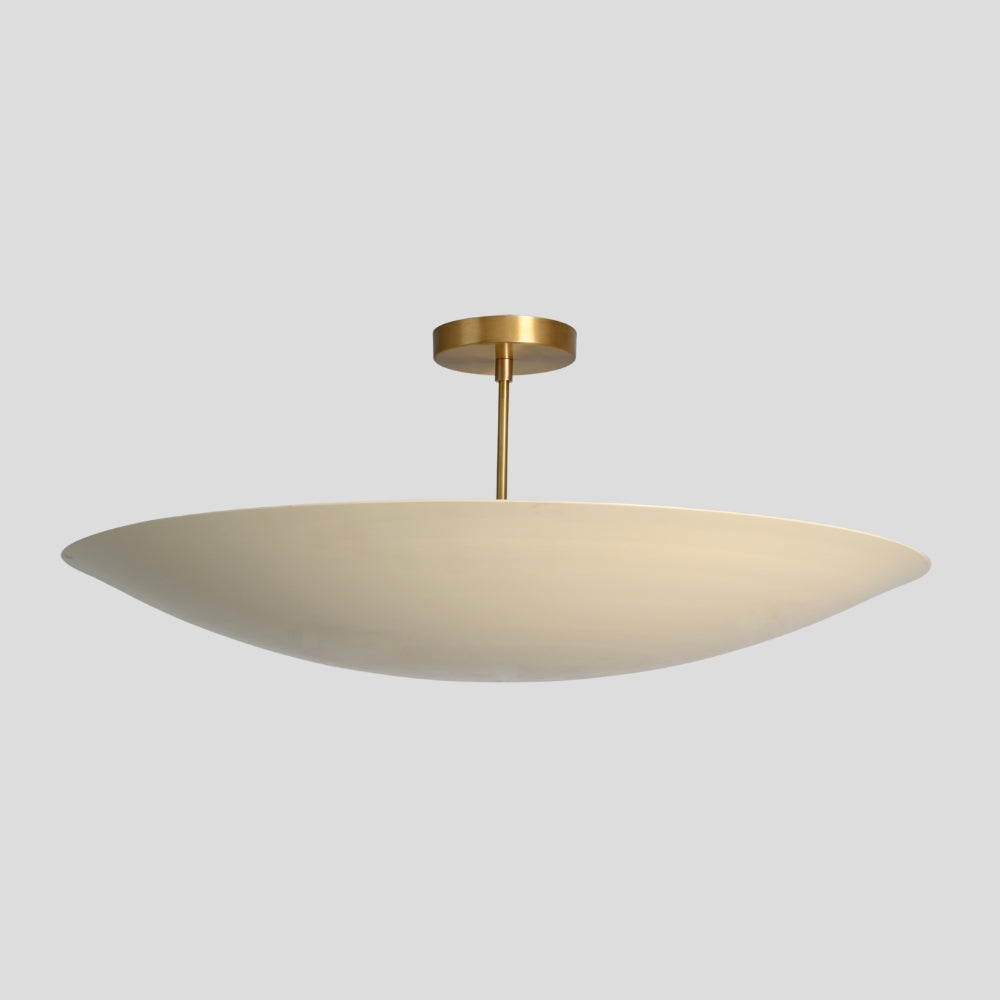
How to Clean Brass Light Fixtures (Without Ruining the Finish)
Solid brass is one of the most forgiving materials you can bring into a home. It does not rust, it ages instead of wearing out, and most of the time all it needs is a soft cloth. The mistakes happen when it gets cleaned too hard: abrasive pads, ammonia sprays or a polish used on the wrong finish. This guide covers the gentle routine we recommend for brass light fixtures, how to treat raw and antique brass, and how to look after the painted shades.
Safety first. Always switch the light off at the wall, and ideally at the breaker, before cleaning a fixture. Let the bulbs cool down completely. Never spray any liquid directly onto a fixture, a socket or the canopy: spray the cloth instead.
The everyday routine (every few weeks)
- Turn the light off and let the bulbs cool.
- Dust the brass and the shades with a dry microfiber cloth or a soft, clean paintbrush for the joints and arms.
- For fingerprints, lightly dampen a microfiber cloth with warm water and a drop of mild dish soap, wring it out well and wipe.
- Dry immediately with a second soft cloth. Water left on brass is what causes spots.
That is all most fixtures ever need. Ceiling lights and chandeliers collect dust rather than fingerprints, so a dry cloth every month or two keeps them looking new.
Raw brass vs antique brass: clean them differently
Raw brass is bright, golden and alive: it slowly darkens and develops a soft, uneven patina as it reacts with air and the oils on your hands. If you love that patina, simply keep dusting and wiping with a damp cloth. If you prefer the original shine, you can use a non-abrasive brass cleaner a couple of times a year on the brass parts only, following the product instructions, then buff with a dry cloth.
Antique brass has been darkened on purpose to give it a deeper, aged tone. Do not polish it: a brass polish removes the antique tone and leaves bright patches. Stick to dusting and a lightly damp cloth.
Not sure which finish you have? Check the finish you chose on your order, or look at the color: raw brass is bright yellow-gold, antique brass is darker and browner.
What never to use on brass light fixtures
- Abrasive sponges, steel wool or scouring powder: they scratch the brass for good.
- Ammonia or bleach-based sprays and glass cleaners on the brass: they can stain and discolor it.
- Vinegar, lemon and salt pastes on antique brass: popular for raw brass hardware, but they strip a darkened finish.
- Any liquid sprayed into the socket or canopy.
- Brass polish on the painted shades.
Cleaning matt black, white and cream shades
Our shades are powder coated in matt black, matt white or cream. Matt finishes are easy to keep clean, but they do not like being rubbed hard.
- Dust with a dry microfiber cloth.
- For a mark, use a soft cloth barely dampened with water and a drop of mild soap, wipe gently, then dry.
- Avoid solvents and polishes, which can leave shiny patches on a matt surface.
White and cream shades over a kitchen island or a vanity are the ones that need it most: steam and cooking grease settle on them. A quick wipe once a month stops it from building up.
How often should you clean brass lighting?
- Wall sconces and vanity lights: every two to four weeks, because they are within reach and get touched.
- Pendant lights over a kitchen island: monthly.
- Chandeliers, flush mounts and semi flush mounts: every one to two months.
The short version
Turn it off, let it cool, dust it, wipe it with a damp cloth and dry it straight away. Polish only raw brass, never antique brass, and never anything abrasive. Solid brass will reward you by looking better every year.
Looking for a fixture that will age with your home? Browse our solid brass chandeliers, brass wall sconces and black and brass lighting.